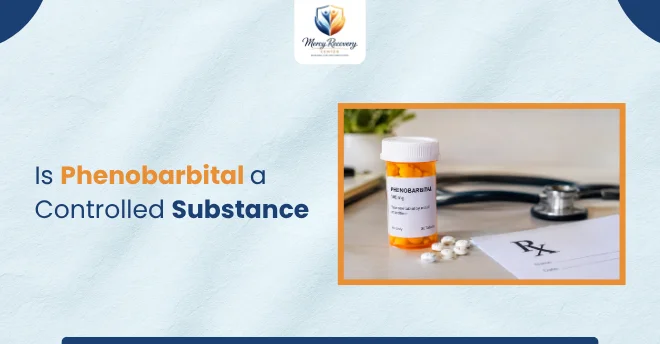
Questions naturally bubble up when you get a new prescription. You look at the bottle and read the strange name. One common concern surrounds phenobarbital, leading you to wonder if it is a controlled substance, which would be a smart question to ask. Yes, the quick answer is yes. In the United States, it falls under Schedule IV controlled substances. We will describe precisely what this drug does, the reasons why it is closely monitored by government agencies and how to seek appropriate assistance if someone begins to abuse it.
What Is Phenobarbital?
Potentially slow and steady, phenobarbital is a strong medication from the barbiturate family. It reduces the activity of the central nervous system, giving an overstimulated brain an opportunity for relaxation.
Medical professionals started utilizing these drugs over a hundred years ago. They were highly favored for addressing sleep issues and severe anxiety at that time, but eventually the medical field recognized the potential dangers. Today, doctors primarily prescribe safer medicines to individuals experiencing seizures. It calms the electrical activity in the brain. Sometimes, it helps individuals with intense trouble sleeping (though newer options usually work better). Even when applied appropriately, it is a very powerful drug, which is the reason for the strict regulations surrounding it.
Why Is Phenobarbital a Controlled Substance?
The government organizes drugs into categories called schedules. Phenobarbital sits firmly in the Schedule IV category.
The Drug Enforcement Administration manages the medications in the United States. These guidelines were created in response to the numerous injuries observed and by categorizing it as a Schedule IV drug, the law requires that doctors keep track of every pill. The pharmacy has to keep careful records.
This strict control means a few important things:
- It Has a Medical Use: Experts agree it successfully treats seizure disorders.
- It Carries a Risk of Misuse: People can easily start taking it in unapproved ways.
- It Can Cause Dependence: Your body adjusts to it over time.
Because of these serious risks, you cannot buy it over the counter. You absolutely need a valid prescription.
How Does Phenobarbital Misuse Happen?
Misuse sometimes starts by pure accident. A person might swallow an extra pill just to relieve sudden stress. It seems harmless at first. Other times, people buy it illegally on the street to feel a specific high.
Often, a person feels physical pain. They remember they have old pills sitting in the bathroom cabinet and take one without asking their doctor first. This is a very common way a dangerous cycle begins. Some might even give a pill to a struggling friend, but sharing prescription medicine is always illegal.
Misuse happens when you:
- Take a higher dose than the doctor ordered.
- Take the medication too frequently.
- Consume medicine belonging to another person.
- Mix it with alcohol to create a stronger effect.
Signs of Phenobarbital Addiction
If someone is misusing this medicine, you will likely notice changes. The drug changes how they act and it helps immensely to know the warning signs.
Physical signs include:
- Slurred speech that sounds exactly like they are drunk.
- Trouble walking in a straight line.
- Dangerously slow breathing patterns.
- Constant sleepiness that never seems to go away.
Behavioral signs include:
- Lying about how much medication they actually take.
- Visiting multiple doctors just to get more pills.
- Hiding pills in strange, secret places around the house.
If you spot these signs, it is time to act. Waiting only makes the problem worse.
The Dangers of Phenobarbital Misuse
Taking too much of this drug is a recipe for disaster, as it drastically slows down both the body and the brain.
The absolute biggest danger is an overdose. An overdose can make a person stop breathing entirely and can even cause sudden death.
Consuming this drug over many years can inflict severe damage to the brain. Those affected may face challenges in learning new concepts and it may also cause liver issues. The physical risks heighten considerably when the drug is combined with alcohol or routine pain-relief medications.
What Happens During Withdrawal?
Taking it off on your own isn’t a good idea if you’re dependent. Stopping abruptly can seriously mess with your nervous system and send your brain into a panic.
When a person stops abruptly, they go into withdrawal.
Common withdrawal symptoms include:
- Feeling extremely anxious or constantly on edge.
- Shaking hands or uncontrollable body tremors.
- Severe trouble sleeping through the night.
- Experiencing a very fast, pounding heartbeat.
These awful feelings make the person desperately want to take the drug again. In the absolute worst cases, sudden withdrawal causes severe, life-threatening seizures.
How to Stop Safely
Getting off a Schedule IV drug necessitates professional medical care. Doctors use a slow, careful step-by-step process. They slowly lower the daily dose over days or weeks in a process known as tapering.
Tapering helps the brain adjust smoothly. But detox is only the very first step of the journey. True healing means learning to live freely without the drug.
Complete Care for Lasting Change
After the body is finally clear, the mind needs deep healing too. Treatment helps you understand the root reasons why the misuse started in the first place.
Good treatment programs will include:
- Talking to a professional counselor in private.
- Learning to identify hidden emotional triggers.
- Finding healthy, normal habits to replace drug use.
How Mercy Recovery Center Can Help
If you are facing difficulties at the moment, remember that you don’t have to go through this by yourself, as Mercy Recovery Center is available to assist you. Situated in Elizabeth, New Jersey, we provide outpatient services that seamlessly integrate into your everyday life.
Dr. Alman Khalid and Dr. Vaibhav Vyas lead our clinic. They provide a refined, highly private setting for your care while understanding both the physical and mental aspects of this fight.
We offer many critical services:
- Medication-Assisted Treatment: We combine safe medicines with deep counseling to ease cravings.
- Individual Counseling: You will learn powerful coping skills to stay sober long-term.
- Telehealth Options: Residents of New Jersey, New York, or Pennsylvania can use our secure virtual visits.
- Flexible Scheduling: We offer appointments during the day, in the evening and on weekends.
Take the First Step Today
Asking for help is incredibly brave because addiction is a serious medical condition and not a weakness. With the right medical care, true recovery is completely possible.
If you have concerns about substance use, contact us today to arrange a private discussion. Allow us to assist you in beginning your path to a more fulfilling and positive life.
FAQs
Is phenobarbital a controlled drug?
Yes, it is. The government calls it a Schedule IV drug. This means it has strict rules because people can easily misuse it.
What does the word “tapering” mean?
Tapering is when a doctor slowly lowers the dose over time. The slow steps keep the brain safe while the body gets clean.